RCTiling Dublin
Why Tile Layout Matters More Than You Think
Tile is no longer just a practical surface; it’s a design language. The way tiles are arranged—direction, pattern, scale, and grout—shapes perception of space, light, movement and style. Thoughtful layout turns simple materials into focal points, guides sightlines, and harmonises architecture with furnishings to create cohesive interiors that feel deliberate rather than accidental.
Spatial Perception and Flow
Layout controls proportions. Running planks or rectangular tiles lengthwise elongates a narrow room; staggered or herringbone patterns add depth and dynamism to open-plan spaces. Diagonal or chevron layouts can make small rooms feel larger by directing the eye outward. Designers use these effects to correct awkward room shapes and to unify adjacent areas for seamless transitions.
Light, Texture and Visual Weight
Tile orientation and joint width influence how light dances across a surface. Large-format tiles with minimal grout create calm, reflective planes ideal for minimalist schemes; small textured tiles add tactile richness and reduce glare in bright rooms. Dark grout or contrasting patterns can make tiles read heavier and more graphic, while thin, matching grout lines let the tile’s material take centre stage.
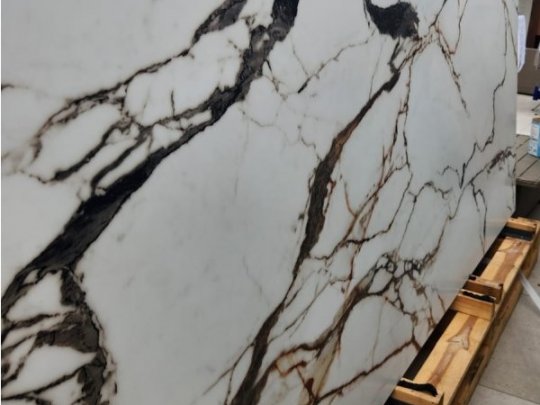
Repeating arrangements create rhythm; unexpected rotations or mixed formats create focal points. Feature bands, borders, or inlaid panels direct attention to architectural highlights—fireplaces, vanities or entryways—while bookmatching or vein-matching on natural or porcelain slabs produces dramatic, almost-artwork effects that elevate a room from functional to gallery quality.
Practicality Meets Aesthetics
Good layout anticipates wear, traffic and maintenance. Diagonal or multi-directional patterns can disguise heavy footfall and grout staining; larger tiles mean fewer joints to clean, but require straighter substrates. Balancing visual goals with installation realities saves time and cost while delivering durable, beautiful results.
Layout communicates personality: restrained gridwork reads modern and precise; offset brick bonds feel warm and familiar; playful mosaics suggest luxury or artisanal craft. For businesses and homes alike, tile choices and layout reinforce brand identity and set the emotional tone of a space.
Investment Value and Resale Appeal
Thoughtful tile layout signals quality workmanship. Prospective buyers and clients notice proportional, well-executed tiling—symmetry at thresholds, matched veins, and consistent grout lines—making spaces feel premium. A considered layout boosts perceived value and reduces the risk of expensive do-overs.
Start by mapping sightlines and traffic flows, choose tile size to match room scale, and decide whether continuity or contrast best serves the design. Mock up patterns with samples or digital layouts, align key tiles to focal features (doors, windows, fixtures), and coordinate grout colour with the overall palette. When in doubt, centre major patterns on architectural anchors to avoid awkward cut-offs.
Conclusion
Tile layout is a powerful, often-underestimated element of contemporary design. It shapes space, controls light, expresses style, and safeguards function—making it essential to both aesthetic success and long-term value. For interiors that feel intentional and enduring, layout should be treated as a primary design decision, not an afterthought.
Ready to transform your space with a tailored tile layout? Contact RCTiling Dublin for a consultation and on-site layout plan that brings your design vision to life.