RCTiling Dublin
Long-Term Care for Tiled Surfaces: A Seasonal Maintenance Checklist for Dublin Homes
Long-Term Care: A Seasonal Maintenance Checklist for Your Dublin Home's Tiled Surfaces
Tiled surfaces are built to last. That’s part of the appeal. But in a place like Dublin, where damp air, steady rain, and temperature swings are part of everyday life, tiles need a bit of steady care to keep looking sharp. Floors, splashbacks, bathrooms, hallways, even outdoor patios — each one faces its own kind of wear. A simple seasonal routine makes a real difference. It prevents staining, loose grout, mould build-up, and those small issues that quietly turn into costly repairs.
Here’s a practical checklist you can follow through the year.
Spring: Deep Clean and Inspect
After winter, tiled areas usually need more than a quick mop. Moisture lingers, especially in bathrooms and entryways. Spring is the time to reset. Start with a proper deep clean using a pH-neutral cleaner. Avoid anything too acidic, especially on natural stone. Pay close attention to grout lines. If they’re darkening or flaking, that’s your early warning sign. Check for cracked tiles, loose edges, or hollow sounds when tapped. Dublin’s cold snaps can cause subtle movement beneath floors. Catching that now saves bigger trouble later. If you have natural stone, spring is also a good moment to reseal it. Sealing protects against moisture and everyday staining, especially in kitchens and bathrooms.
Summer: Ventilation and Outdoor Care
Summer in Dublin isn’t exactly scorching, but it’s the driest stretch of the year. That makes it ideal for tackling moisture-prone areas. Open windows regularly to reduce humidity build-up in tiled bathrooms. Good airflow keeps mould from settling into grout. Outdoor tiles deserve attention too. Sweep debris often. Algae and moss love shaded patios and paths. A gentle pressure wash can freshen them up, but keep the pressure controlled to avoid damaging grout joints. Inspect sealant around baths, showers, and sinks. If silicone looks cracked or mould-stained, replace it. Fresh sealant keeps water from slipping behind tiles where it can do real damage.
Autumn: Prepare for Damp Weather
Autumn is about prevention. Rain picks up, and tiled entryways take more abuse from wet shoes and grit.Place quality mats at doors to reduce scratching from sand and debris. Porcelain and ceramic are tough, but grit can dull the finish over time. This is also a smart time to check grout sealing. If water no longer beads on the surface, it may need resealing. Well-sealed grout resists staining and slows moisture absorption. In kitchens, give splashbacks and countertops a careful wipe-down, especially around sinks and hobs where grease and moisture build quietly.
Winter: Protect Against Cold and Moisture
Dublin winters bring damp cold rather than heavy frost, but moisture is still the main concern. Keep tiled floors dry, particularly in hallways and utility areas. Prolonged standing water weakens grout and can seep underneath tiles over time. If you have underfloor heating beneath tiles, avoid sudden temperature jumps. Gradual changes reduce stress on adhesive and grout lines. Bathrooms need extra vigilance in winter. Run extractor fans during and after showers. Even a few minutes helps cut condensation that feeds mould growth.
Special Care for Natural Stone and Feature Surfaces
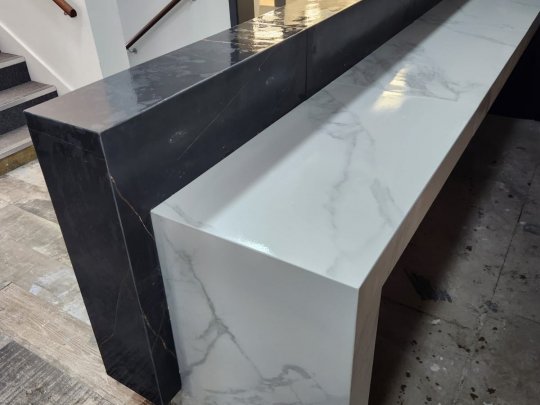
Natural stone surfaces, like marble or polished stone counters, need a softer touch. Use only stone-safe cleaners. Acidic sprays can etch the surface before you even notice. Wipe spills quickly, especially wine, coffee, or citrus. Stone is porous by nature. A good seal helps, but quick action matters just as much. Polished feature installations, like statement counters or tiled walls, benefit from regular dusting with a microfibre cloth. It sounds simple, but it keeps the finish crisp and reflective.
When to Call a Professional
Some jobs go beyond routine upkeep. Loose tiles, widespread grout cracking, persistent mould, or uneven flooring should be assessed properly. A professional tiler can regrout, reseal, replace damaged tiles, or check subfloor stability before a minor issue becomes structural. Regular professional inspections every few years can extend the life of your tiled surfaces well beyond expectations.
Keep Your Tiles Looking Their Best
Tiled surfaces are one of the most durable finishes in any Dublin home. With a simple seasonal plan, they stay clean, sealed, and solid year after year. If you’re unsure about the condition of your tiles or want expert help with maintenance, repairs, or a fresh installation, RCTiling Dublin is ready to help. Get in touch today for practical advice and dependable workmanship that keeps your home looking its best.